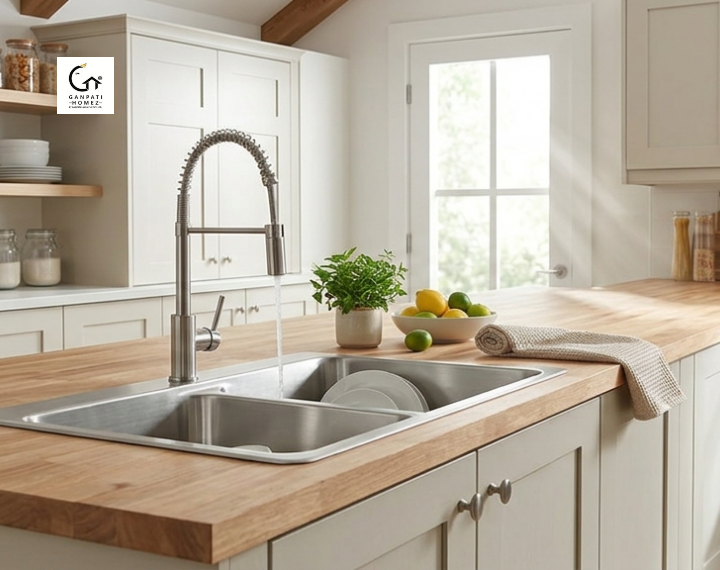
When planning a kitchen, it’s easy to get caught up in choosing stylish cabinets or eye-catching worktops. I used to think the same, until I realised the real problem wasn’t how the kitchen looked it was how it worked day to day. Simple tasks like washing dishes or cleaning up started to feel less convenient than they should be.
That’s when I began paying attention to the basics, especially the Kitchen sinks. It might not be the first thing you notice, but it’s one of the most used parts of any kitchen. Choosing the right one, like a top mount kitchen sink, can make a noticeable difference in both comfort and practicality.
In this guide, I’ll walk you through everything you need to know in a simple and clear way, so you can make a choice that actually works for your everyday routine.
Research and Markets predicts that the India Kitchen Sink And Other Related Markets Industry will reach USD 387.29 million by 2030, at a CAGR of 9.76% over the forecast period (2025-2030).
A top mount kitchen sink is widely preferred because it offers a practical mix of convenience, affordability, and flexibility for everyday kitchen use.
Easy Installation: One of the biggest advantages of a drop in sink is how simple it is to install. The sink is placed from above, and its rim supports the structure, so there is no need for complex fitting or extra support underneath. This also helps reduce installation time and cost.
Works with Most Worktops: A kitchen sink top mount is compatible with a variety of materials such as laminate, wood, and stone. The rim neatly covers the cut edges, so the finish looks clean without requiring highly precise cutting.
Flexible Options: Top mount sinks are available in different designs to suit your needs:
Easy Maintenance and Replacement: These sinks are easy to maintain and can be removed or replaced without much difficulty, which is useful during repairs or upgrades.
Overall, a top mount kitchen sink is a reliable and cost-effective option that works well for most homes.
When choosing a kitchen sink, one common comparison is between a top mount kitchen sink and an under mount sink. Both have their benefits, but the right choice depends on your needs and kitchen setup.
Appearance
Maintenance
Cost
Suitability
Overall, if you are looking for a simple, cost-effective, and easy-to-install option, a top mount sink is a practical choice. If design and a seamless finish are your priority, an under mount sink may be worth considering.
Before choosing a top mount kitchen sink, it’s important to consider a few key features to make sure it suits your daily needs and lasts long.
1. Material: The material affects durability and appearance.
2. Size and Bowl Type: Choose based on your kitchen space and usage.
3. Thickness (Gauge): For stainless steel sinks, thickness matters. A lower gauge means thicker steel, which is more durable and less noisy.
4. Depth: Deeper sinks can hold more utensils and reduce water splashing, making them more practical for everyday use.
5. Soundproofing: Some sinks come with sound-absorbing pads to reduce noise from running water and utensils, which adds to comfort.
6. Drain Placement: Check the position of the drain, as it can affect how easily water flows and how much usable space you have in the sink.
Choosing the right features will ensure your kitchen sink top mount is both functional and suitable for your lifestyle.
Choosing the right size for your top mount kitchen sink is important to ensure it fits well within your kitchen space and meets your daily needs.
2. Depth: The depth of a kitchen sink top mount usually ranges between 150 mm to 250 mm. Deeper sinks are useful for washing large pots and reducing water splashes.
4. Cabinet Compatibility: It’s important to match the sink size with your base cabinet. For example, a 600 mm sink typically fits a 600 mm cabinet, but always check the manufacturer’s guidelines for exact fitting requirements.
Keeping your top mount kitchen sink clean and well-maintained is important for hygiene and long-term use. The good thing is, maintenance is simple and doesn’t take much effort if done regularly.
1. Clean Regularly: Use a mild detergent and a soft cloth or sponge to clean the sink daily. This helps prevent stains and build-up.
2. Avoid Harsh Chemicals: Strong cleaning agents can damage the surface, especially for stainless steel or ceramic sinks. It’s better to use gentle cleaners.
3. Keep the Rim Clean: Since a drop in sink has a visible edge, dirt and water can collect around the rim. Wipe this area regularly to maintain cleanliness.
4. Dry After Use: Wiping the sink dry after use helps prevent water spots and keeps it looking neat.
5. Check Sealant: Over time, the seal around the kitchen sink top mount may wear out. Inspect it occasionally and reapply if needed to avoid leaks.
6. Use Sink Accessories: Using a sink grid or mat can help protect the surface from scratches, especially in a single bowl top mount sink or double bowl top mount sink.
Dirt Build-Up on Edges
Scratches on Surface
Noise from Water or Utensils
Blocked Drain