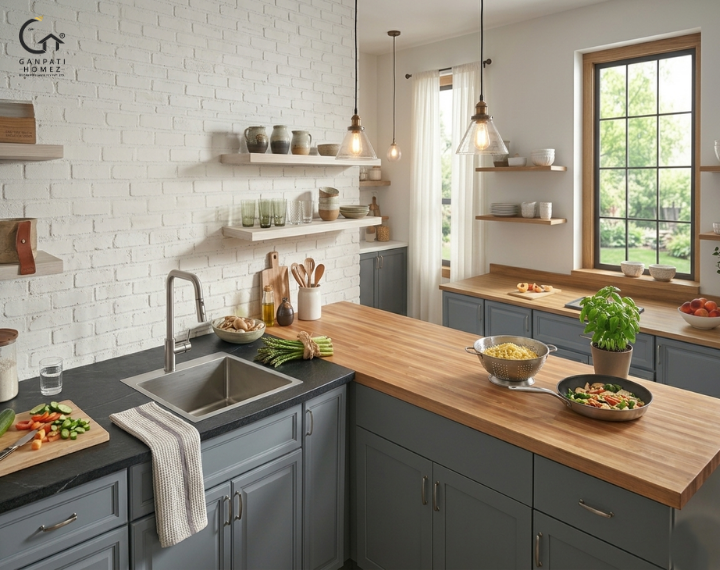
Most people don’t pay much attention to the kitchen sink during a renovation. It feels like a small, simple choice compared to everything else.
But later, the issues start showing up. Water splashes outside the sink, big utensils don’t fit well, and daily cleaning starts feeling a bit more annoying than expected. That’s when it becomes clear the sink is used more often than almost anything else in the kitchen.
When people explore different kitchen sink types, the confusion usually begins. Everything looks similar at first, but small differences in design, depth, and material change the overall experience.
That’s why choosing the right kitchen sink for home is more important than it initially seems.
According to Grand View Research, the Indian kitchen sink market generated USD 471.8 million in 2025 and is projected to reach USD 735.8 million by 2033.
Most people get attracted to the design first, but a kitchen sink should mainly be chosen based on how it will be used every day.
If cooking is frequent and heavy utensils are common, a deeper and more durable sink is a better choice. For lighter use, a basic and simple option is usually enough.
Space is another important factor. The sink should fit well in the countertop without taking away too much working or prep area.
Material also plays a big role. Options like stainless steel or granite affect durability, maintenance, and overall cleaning experience.
When these points are considered together, it becomes much easier to choose a sink that actually fits your kitchen routine and avoids future inconvenience.
The market offers several kitchen sink types, and each one is designed to suit different cooking styles and kitchen setups.
The top-mount kitchen sink (drop-in) sink is the most commonly used. It sits on top of the countertop, is easy to install, and works well for almost any standard kitchen setup.
The undermount sink is fixed below the counter, giving a smooth, modern look. It also makes cleaning easier since crumbs and water can be wiped directly into the sink without any edge getting in the way.
The farmhouse (apron-front) sink stands out with its deep and open design. It’s great for heavy washing, large pots, and busy kitchens, but it does need more space and proper cabinet support.
The integrated sink is built seamlessly into the countertop, creating a premium, continuous surface. It looks very clean and stylish, but repairs or replacements can be more complex.
Each option has its own strengths, so the right choice depends on how the kitchen is used, how much space is available, and the kind of look you want to achieve.
In most Indian homes, especially in cities like Bhubaneswar where cooking is often traditional, frequent, and involves multiple utensils, this choice actually makes a real difference in daily comfort.
A single bowl sink gives one large open space, which is very practical for Indian cooking. Big kadhais, pressure cookers, steel plates, and large pots fit easily without struggle. It’s also easier to clean heavy utensils after meals, especially when cooking for a family. In many modern apartments in Bhubaneswar where space is limited, this option also helps save counter area.
A double bowl sink, however, offers two sections. One side can be used for washing vegetables or utensils, while the other can be used for rinsing or keeping washed items aside. This setup works well in joint families or homes where cooking activity is continuous throughout the day.
In most urban Indian kitchens today, especially in flats, the single bowl is becoming the more preferred and practical choice.
Choosing the right kitchen sink material is important because it decides durability, maintenance, and how well the sink handles daily Indian cooking.
1. Stainless Steel: This is the most commonly used material in Indian homes, including cities like Bhubaneswar. It is strong, budget-friendly, and handles heavy utensils, hot water, and regular use very well. It is also easy to clean, which makes it ideal for busy kitchens.
2. Granite Composite: This material has a modern, premium look with a matte finish. It is highly resistant to scratches, stains, and heat. It works well for people who want both durability and a stylish kitchen appearance.
3. Quartz: Quartz sinks are similar to granite in strength but have a smoother and more refined finish. They are durable, heat-resistant, and give a premium feel, but usually come at a higher price point.
4. Ceramic: Ceramic sinks offer a clean, traditional look that fits well in classic kitchen designs. They are easy to clean but need careful handling, as they can chip if heavy utensils are dropped.
In short, stainless steel remains the most practical choice for Indian households, while granite and quartz are preferred when style and premium aesthetics are a priority.
A good kitchen sink is not just about material or size small design features can make daily use much smoother, especially in busy Indian kitchens.
Noise Reduction Padding: Many modern sinks come with a sound-dampening layer underneath. This reduces the loud clanking noise of utensils and running water, making the kitchen experience more comfortable, especially in open layouts.
These small features may not seem important at first, but over time they make a noticeable difference in daily kitchen convenience.
A faucet might look like a small detail, but in daily kitchen use, it decides how smooth or frustrating washing actually feels. The right one can save time, reduce mess, and make cleaning far more comfortable.
Choosing the right faucet is less about style alone and more about making everyday kitchen work easier and more efficient.
Many people only realize they made the wrong choice after the sink is already installed and in daily use. A few simple mistakes are usually the reason behind most of these issues.
At this point, it’s clear that a kitchen sink is not just another fitting, it's something that affects daily comfort in the kitchen.
Before making a final decision, it helps to quickly revisit a few key points. The sink should match how often cooking happens, the type of utensils used, and the space available in the kitchen. For most Indian homes, especially in cities like Bhubaneswar, durability and ease of cleaning matter more than fancy designs.
It’s also better to think long-term. A good sink should handle daily wear without constant maintenance or inconvenience. Material, depth, and size all work together to decide how practical it will feel after installation.
In the end, the right choice is the one that fits naturally into everyday kitchen use—something that makes work easier, not more complicated.
A kitchen sink may look like a small part of the kitchen, but it plays an important role in daily comfort and usage. The right choice depends on your cooking habits, space, and maintenance needs.
From different kitchen sink types to the right kitchen sink material, every detail matters when you want something practical and long-lasting, especially for busy Indian kitchens.
If you’re planning to buy a new sink and want proper guidance, Ganpati Homez, the best sanitaryware store in Bhubaneswar located in Laxmisagar, is where we offer a wide range of kitchen sinks in different designs, materials, and sizes. Our team helps you choose the right option based on your actual requirements, so you can pick a sink that truly fits your kitchen without confusion.