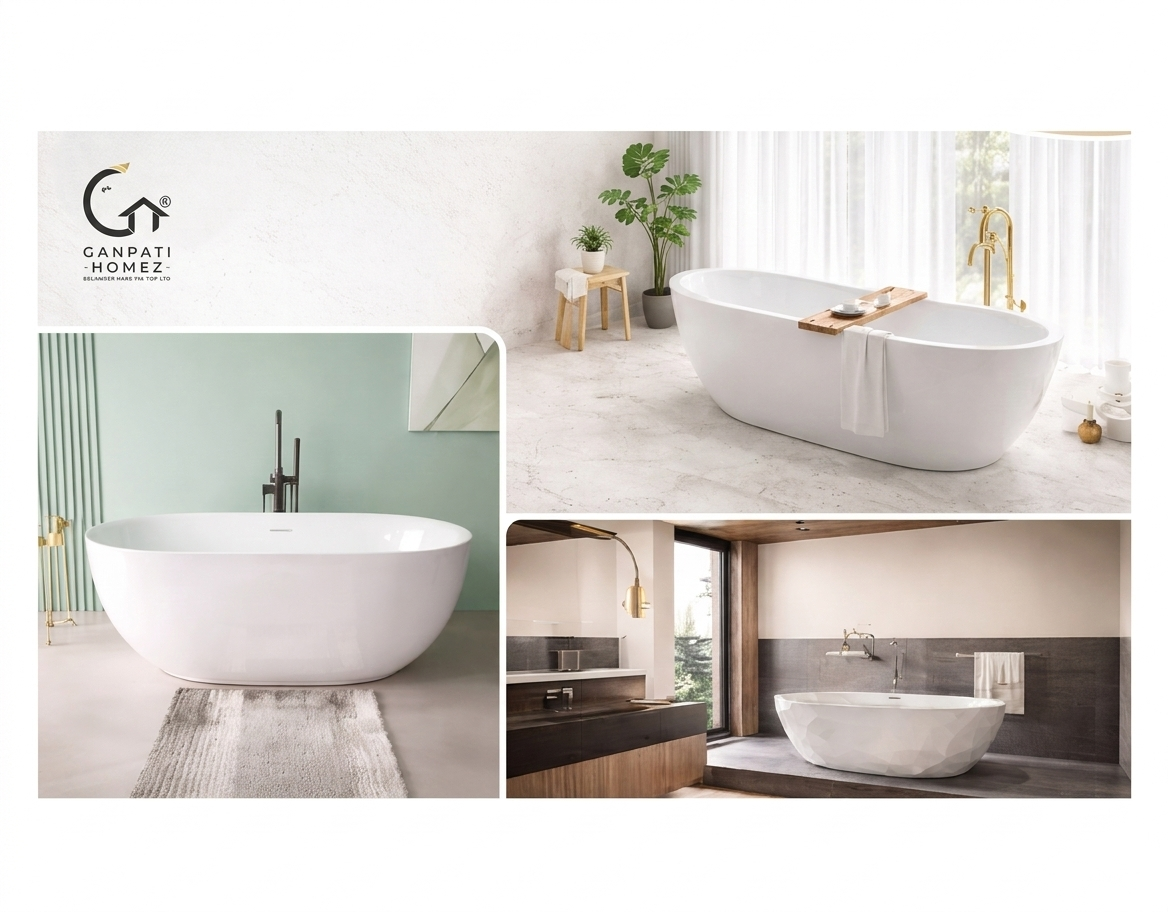
Many homeowners spend time designing a beautiful bathroom, choosing elegant tiles, stylish fittings, and good lighting. But when it comes to the bathtub, they often settle for something basic that simply “fits the space.” The result? A bathroom that looks good but doesn’t feel relaxing or luxurious.
A freestanding bathtub changes that completely.
Unlike traditional built-in tubs, a freestanding bath for bathroom spaces becomes the centrepiece of the room. It creates a spa-like feel, adds visual elegance, and gives you the freedom to place the tub wherever it looks best. Whether you want a modern minimalist look or a classic luxury feel, a standalone bathtub can transform an ordinary bathroom into a relaxing retreat.
In this guide, we’ll explore the different types of freestanding bathtubs, their benefits, how to choose the right one, installation tips, and how to maintain them so they last for years.
How Many Types of Freestanding Bathtubs
There are many types of bathtubs, and the freestanding bathtub is one of the most popular. Freestanding bathtubs are available in a wide range of designs, materials, and shapes, each offering a unique blend of style, comfort, and luxury. Here are the 8 primary types to help you choose the perfect one for your bathroom:
1. Clawfoot Tubs: A classic design with decorative feet, clawfoot tubs are often made from cast iron or acrylic. They can be painted or finished in a variety of colours and metals. These tubs are not only visually striking but also retain heat well, making them ideal for long, warm soaks.
Key Feature:
- Can be placed anywhere in the bathroom.
- Heavier cast iron models need reinforced flooring.
- Feet range from ornate to minimalist, suiting various interiors.
- Works well with freestanding faucets or hand showers.
2. Slipper Tubs: Slipper tubs have one end raised to support your back and neck comfortably. They are often deeper than standard tubs, allowing for full immersion. Materials range from lightweight acrylic to luxurious stone resin, and many modern slipper tubs incorporate ergonomic shapes for extra comfort.
Key Features:
- Deep soaking area for full immersion.
- Available in acrylic, stone resin, or solid surface materials.
- Curved ergonomic design for comfort.
- Complements both classic and modern bathroom styles.
3. Pedestal / Skirted Tubs: These freestanding tubs feature a solid base or skirt that conceals plumbing and creates a sculpted, seamless look. They are available in traditional and contemporary styles and It can be paired with a freestanding or wall-mounted faucet. Some pedestal tubs also have built-in overflow systems and smooth finishes that make cleaning easier.
Key Features:
- Compact footprint suitable for smaller spaces.
- Smooth surfaces for easy cleaning.
- Can pair with floor-mounted or wall-mounted faucets.
- Available in traditional and modern finishes.
4. Japanese Soaking Tubs: Japanese soaking tubs are deep and compact, designed for sitting upright rather than lying down. They allow for a fully immersive bath while taking up minimal floor space. Modern versions often include materials that retain heat efficiently, such as acrylic, wood composites, or stone resin, giving a spa-like experience in a small footprint.
Key Features:
- Space-saving design for smaller bathrooms.
- Materials like acrylic, wood composites, or stone resin retain heat.
- Ideal for meditative, spa-like baths.
- Often paired with wooden or minimalist décor for a Zen feel.
5. Oval / Modern Tubs: Oval freestanding bathtubs are smooth, minimalist, and highly versatile. They are available in various lengths and depths, with materials like acrylic, stone resin, or solid surface composites. Many oval tubs are lightweight for easier installation while maintaining a luxurious appearance, making them a popular choice for modern bathrooms.
Key Feature:
- Lightweight materials like acrylic or solid surface for easier installation.
- Deep and spacious interior for full-body soaking.
- Fits well in contemporary, minimalist, and luxury bathrooms.
- Can be paired with freestanding or wall-mounted faucets.
6. Rectangular Tubs: Rectangular tubs have clean lines and structured shapes, offering a balance between style and function. They often feature flat bottoms for stability and deeper walls for soaking.
Some modern rectangular freestanding bathtubs include reinforced materials for durability and can accommodate floor-mounted or wall-mounted faucets.
Key Feature:
- Flat bottoms for stability and deeper walls for soaking.
- Reinforced materials for durability.
- Compatible with floor-mounted or wall-mounted faucets.
- Perfect for modern bathrooms with linear design themes.
7. Double-Ended Tubs: Double-ended freestanding tubs have raised ends on both sides, giving flexibility for positioning and allowing for two people to bathe comfortably.
These tubs are generally longer and wider, with generous soaking depth. Some designs include built-in armrests or subtly contoured interiors for better support and comfort.
Key Features:
- Wider and longer for shared or luxurious baths.
- Often feature contoured interiors for support.
- Works as a stylish centerpiece in large bathrooms.
- Available in acrylic, stone resin, and other premium materials.
8. Compact Freestanding Tubs: Compact freestanding tubs are designed for small bathrooms or apartments where space is limited.
Despite their smaller footprint, they often maintain a deep soaking area, giving the same immersive experience as larger tubs. Materials can range from lightweight acrylic to durable stone resin, and some models include features like smooth non-slip surfaces for safety.
Key Feature:
- Deep soaking area despite smaller footprint.
- Lightweight materials for easier installation.
- Smooth, non-slip surfaces available for safety.
- Perfect for apartments or secondary bathrooms.
Benefits of Utilising Freestanding Bathtubs in Your Bathroom
A freestanding bathtub is more than just a bathroom fixture it’s a combination of style, comfort, and luxury. Here’s why homeowners choose them over built-in tubs:
1. Stunning Focal Point: Unlike built-in tubs that blend into the wall, a freestanding bath for bathroom spaces instantly becomes the centrepiece. Whether it’s a classic clawfoot or a sleek modern oval, it adds elegance and a sense of luxury to your bathroom.
2. Flexible Placement: Because they’re standalone, these tubs can be placed anywhere—against a wall, in the centre of the room, or near a window for a view. This flexibility allows you to design your bathroom exactly the way you want.
3. Deep and Comfortable Soaking: Most freestanding bathtubs are deeper than standard built-in tubs, offering a full-body soak. Designs like slipper tubs or Japanese soaking tubs provide ergonomic support for your back and neck, making your bath experience more relaxing.
4. Variety of Designs and Materials: From acrylic and cast iron to stone resin and solid surface tubs, freestanding bathtubs come in numerous shapes, sizes, and finishes. This variety ensures there’s a style to suit every bathroom, whether modern, minimalist, or traditional.
5. Easy To Maintain: Freestanding tubs are accessible from all sides, making cleaning easier than built-in models. Smooth surfaces and high-quality materials also prevent stains, scratches, and mould, keeping your tub looking new for years.
6. Increase Home Value: A stylish standalone bathtub is not just functional it’s a statement of luxury. High-end freestanding tubs can enhance your bathroom’s appeal and even increase your property’s value, making them a smart investment.
How to Choose the Right Freestanding Bathtub
Choosing the perfect freestanding bathtub isn’t just about style—it’s also about comfort, space, and practicality. Here’s what to consider before making your selection:
1. Consider Your Bathroom Space: Measure your bathroom carefully to ensure the tub fits comfortably. Remember to leave enough space around the tub for cleaning and movement. Freestanding tubs need clearance on all sides, so even a compact model should feel spacious in your layout.
2. Decide on the Shape and Style: Freestanding bathtubs come in various shapes oval, rectangular, clawfoot, slipper, or Japanese soaking tubs. Think about the overall design of your bathroom. Curved tubs suit minimalist or modern spaces, while clawfoot tubs add a vintage or classic touch.
3. Choose the Right Material: Materials affect durability, weight, heat retention, and maintenance:
- Acrylic: Lightweight, easy to clean, and available in many shapes.
- Cast Iron: Extremely durable and retains heat for longer baths but heavier.
- Stone Resin / Solid Surface: Luxurious, modern finish with good heat retention.
4. Check the Soaking Depth and Comfort: If relaxation is your priority, look for deeper tubs like slippers or Japanese soaking tubs. Ergonomic shapes with backrests can make long soaks more enjoyable.
5. Plan for Faucet and Drain Placement: Before buying, decide if you want a floor-mounted, wall-mounted, or deck-mounted faucet. Make sure your plumbing is compatible with the freestanding design and that the drain aligns properly.
6. Think About Maintenance: Smooth surfaces are easier to clean and maintain. Avoid tubs with intricate textures if you prefer low-maintenance options, especially for busy households.
7. Match Your Bathroom Style: Finally, choose a tub that complements your overall bathroom theme. From modern minimalist to vintage charm or luxury spa vibes, your freestanding bathtub should enhance the look and feel of the space.
Installation Tips for Freestanding Bathtubs
Installing a freestanding bathtub is simpler than it seems, but a few key points can make the process smooth and ensure your tub looks and functions perfectly.
1. Prepare the Floor: Freestanding tubs, especially cast iron or stone resin models, can be very heavy when filled with water. Ensure your floor can support the weight reinforced flooring may be needed for heavier tubs. Lightweight acrylic tubs are easier to install on standard floors.
2. Plan the Placement: Decide exactly where the tub will go before installation. Freestanding tubs offer flexibility; they can sit in the centre of the room, near a window, or against a wall but you need clearance on all sides for cleaning and movement.
3. Check Plumbing Requirements: Determine whether your faucet will be floor-mounted, wall-mounted, or deck-mounted. Make sure the water supply lines and drain align with the freestanding design. It’s best to confirm the plumbing layout before purchasing your tub.
4. Ensure Proper Drainage: Even minor misalignment in the drain can cause leaks or slow drainage. Measure carefully and make sure the plumbing connections are secure. Some tubs come with pre-installed drains, which simplifies the process.
5. Use Professional Assistance: While lightweight tubs can sometimes be installed by homeowners, heavier freestanding bathtubs are best installed by professionals. They ensure the tub is level, plumbing is secure, and no damage occurs during installation.
6. Allow Cleaning Access: When positioning your tub, leave enough space around it for regular cleaning. Freestanding tubs are easy to maintain if there’s sufficient clearance on all sides.
Maintenance and Cleaning of Freestanding Bathtubs
1. Clean Regularly: Wipe down your tub after each use with a soft cloth or sponge. This prevents soap scum, mineral deposits, and water spots from building up. For a deeper clean, use mild, non-abrasive cleaners suited to your tub’s material.
2. Avoid Harsh Chemicals: Strong chemicals or abrasive scrubbers can damage acrylic, stone resin, or enamel finishes. Stick to gentle cleaning products to preserve the surface and prevent scratches.
3. Rinse After Each Use: Rinsing with warm water after every bath helps remove leftover soap, oils, and bath salts. This small habit makes regular cleaning easier and reduces residue buildup.
4. Check Plumbing and Drainage: Inspect the drain and plumbing occasionally to ensure there are no leaks or clogs. Freestanding tubs are accessible from all sides, which makes it easier to spot potential issues early.
5. Treat Stains Promptly: If you notice any stains, clean them immediately. For stubborn marks on acrylic or stone resin tubs, a paste of baking soda and water can gently lift the stain without damaging the finish.
6. Protect the Surface: Avoid dropping heavy objects inside the tub or using sharp tools near it. For tubs with painted or metal feet, polish them occasionally to maintain shine and prevent corrosion.
Popular Brands and Designs of Freestanding Bathtubs
Choosing a reputable brand ensures your freestanding bathtub is stylish, durable, and comfortable. Here are some popular options:
- Kohler: Offers modern oval and classic slipper tubs in acrylic and cast iron, combining style with durability.
- Victoria + Albert: Known for stone resin and solid surface tubs with deep soaking designs and excellent heat retention.
- Aquatica: Modern, ergonomic tubs in oval and rectangular shapes for comfort and contemporary aesthetics.
- Duravit: Sleek oval, rectangular, and double-ended tubs designed for luxury and designer bathrooms.
- American Standard: Reliable tubs in clawfoot, oval, and slipper styles, balancing style and practicality.
- Grohe: Elegant freestanding tubs designed for modern and luxury bathrooms, built to integrate with premium faucets and engineered for durability.
- The design is minimal and modern with smooth finishes, soft curves, and neutral colors.
- The Classic &Timeless: Bring character and heritage to your space with clawfoot tubs and pedestal tubs.
- Models in stone resin or solid surface materials for a high-end appearance. Deep soaking, double-ended bathtubs with a spa-inspired feel.
- Simple & Functional: Stylish options that fit into smaller bathrooms without sacrificing comfort.
At Ganpati Homez, we are the
best sanitary ware store in Bhubaneshwar, offering a wide range of freestanding bathtubs to suit every style and bathroom size. We bring you premium products from the best brands, including American Standard, Grohe, Aquatica, and more. Whether you’re looking for a classic clawfoot, a modern oval, or a deep soaking tub, our collection combines quality, durability, and luxury.
Our experienced team will also help you select the right freestanding bathtub type that aligns perfectly with your space, ensuring both comfort and a luxurious feel for your bathroom.
Frequently Asked Questions (FAQs) About Freestanding Bathtubs
1. What is a freestanding bathtub?
A freestanding bathtub is a standalone tub that isn’t attached to walls or built into a surround. It can be placed anywhere in the bathroom, making it a versatile and stylish choice.
2. What materials are freestanding bathtubs made of?
Common materials include acrylic, cast iron, stone resin, and solid surface. Each offers different benefits like heat retention, durability, and ease of maintenance.
3. How do I choose the right size?
Measure your bathroom carefully and leave space around the tub for cleaning and movement. Consider the tub’s depth and length for comfort, especially if you plan to soak fully.
4. Can a freestanding tub fit in a small bathroom?
Yes. Compact freestanding tubs are designed for smaller spaces without sacrificing style or comfort. Even deep soaking tubs are available in space-saving designs.
5. Do freestanding bathtubs require special plumbing?
You may need floor-mounted, wall-mounted, or deck-mounted faucets depending on the tub style. Ensure your plumbing layout matches the tub before installation.
6. How do I clean a freestanding bathtub?
A soft cloth or sponge should be used to clean with mild, non-abrasive cleaners. Rinse after each use and wipe down to prevent soap scum or stains. Chemicals that can damage the surface should be avoided.
7. Are freestanding bathtubs expensive?
Freestanding tubs range from affordable acrylic options to premium stone resin or cast iron models. Depending on the material, the design, the size, and the brand, the price will vary.