Choosing a bathtub might seem straightforward at first glance but anyone who has stood in a showroom surrounded by dozens of options knows it's anything but. From sleek freestanding designs to practical walk-in tubs, the variety available today is genuinely impressive. And if you're trying to figure out how to choose a bathtub for Indian homes, the decision becomes even more layered, with factors like water pressure, humidity, available space, and local plumbing norms all coming into play.
This guide is here to take the stress out of that decision. Whether you're renovating your bathroom from scratch or simply upgrading your current setup, we'll walk you through all the types of bathtubs on the market, help you understand which materials hold up best in humid climates, and give you practical advice tailored to Indian households with a specific section for Bhubaneswar homeowners. By the end, you should have a clear idea of which tub suits your lifestyle, your bathroom, and your budget.
Grand View Research reports that the India bathtub market generated USD 379.9 million in revenue in 2023, rising to USD 580.5 million by 2030.
What Are the Different Types of Bathtubs?
The type of bathtub you choose will shape everything else how much space it takes up, how it is installed, how it looks, and how much it costs. There are six main types, and each one is built for a different kind of bathroom and a different kind of user.
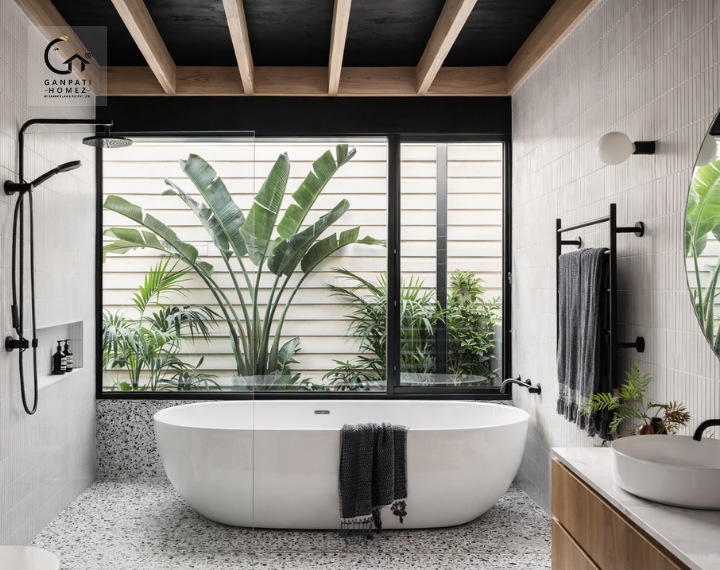
- Freestanding Bathtubs: They look effortlessly elegant in every showroom photograph, which is exactly why so many buyers regret purchasing them without thinking it through. In practice, they require plumbing routed through the floor, take up significantly more space than built-in options, and the area behind the tub is genuinely difficult to clean. A brilliant choice but only when the bathroom is designed around them from the start, not squeezed in as an afterthought.
- Alcove / Built-in Bathtubs: The most practical tub for Indian homes, and not just because it is affordable. An alcove tub with an overhead shower is one of the most space-intelligent bathroom decisions you can make. Three enclosed sides protected from splash and humidity, easy access on the open side, and a fraction of the cleaning effort compared to freestanding options. If you are renovating a standard Indian apartment bathroom, start your search here.
- Corner Bathtubs: The most misunderstood type on this list. People see the size and assume luxury but what they miss is that corner tubs with built-in jets need water pressure that many Indian buildings cannot deliver consistently. Before considering a jetted corner tub, check your flow rate. Most systems require at least 10 to 12 litres per minute. In a building where that cannot be guaranteed, you end up with a premium tub performing like a basic one.
- Drop-in Bathtubs: The surrounding deck can be tiled or stoned however you like, which is genuinely appealing. What the brochures do not emphasise is the gap between the tub rim and the deck surface in a humid climate, that gap is where mould begins. Manageable with proper sealing, but a real consideration worth knowing before you commit to the construction.
- Clawfoot Bathtubs: Having a genuine revival in Indian interior design, and the modern acrylic and stone resin versions make them more accessible than ever. The feet, the exposed plumbing, and the space beneath the tub all require more regular attention than a built-in tub. The maintenance is not excessive, but it is real.
- Walk-in Bathtubs: Still underutilised in Indian homes despite the country's growing elderly population. If there is anyone in the household with reduced mobility or joint pain, a walk-in tub meaningfully changes how independently and safely that person can bathe. The fill-then-drain-before-exiting process takes adjustment, but for the right household it is an investment that pays for itself in safety and comfort.
Material Matters: What's the Best Tub Material?
The right bathtub materials comparison for a humid climate looks very different from a guide written for a temperate market. Here is the honest version.
- Acrylic: The most sensible choice for the majority of Indian homes. Warm to the touch, holds heat reasonably well, and forgiving in terms of surface care. What most guides skip: acrylic quality varies significantly. Thicker acrylic 8mm and above feels substantially more solid underfoot and is far less likely to flex or creak. Always check the thickness specification, not just the price.
- Cast Iron: The only material where the argument for spending more is essentially unanswerable. The heat retention changes the bathing experience water stays noticeably hotter for longer. The enamel finish is tougher and cleaner than any synthetic surface. The weight is a logistical challenge and floor load capacity needs confirming, but if those boxes are ticked, a cast iron tub is a once-in-a-generation bathroom decision.
- Fiberglass: It is cheap and that is its one genuine advantage. It flexes under weight, dulls faster than acrylic, and in humid conditions the gel coat can begin deteriorating within a few years if exposed to harsh cleaning products. Acceptable for a rental property. For a home you plan to live in, acrylic is worth the slightly higher cost every time.
- Stone Resin: Genuinely in a different category. Non-porous, so bacteria has nowhere to settle and humidity has nothing to penetrate. Heat retention comparable to cast iron without the structural weight concerns. For a permanent home in Bhubaneswar's climate, stone resin is arguably the most intelligent material investment you can make.
- Copper: Worth mentioning not just as a luxury choice but as a practically smart one in humid climates. Most materials struggle with sustained moisture; copper actually improves with it. The patina is the material self-protecting, not deteriorating. Naturally antimicrobial, which matters in a warm bathroom environment. Specific care requirements apply, but for the right homeowner, it is extraordinary.
What Size Bathtub Should I Choose for My Bathroom?
Getting the size wrong is one of the most common and most avoidable bathtub buying mistakes. A tub that is too large dominates the room; one that is too small means constantly hunching your knees. Here is how to think through it properly.
- Standard sizes (150–170 cm): Fits most Indian bathrooms of 5 to 6 square metres. A 150 cm tub is functional but slightly cramped for a full reclined soak. At 160–170 cm, most adults can stretch out comfortably. If you are tall, prioritise length above everything else.
- Compact tubs (120–145 cm): Common in urban Indian apartments with limited floor space. These are shorter but often deeper, which delivers a more immersive soak than the reduced length suggests. Japanese-style soaking tubs fall here designed for sitting rather than lying back, they are a genuine solution, not a compromise.
- Oversized and double-ended tubs (180 cm+): For larger bathrooms or couples bathing together. Double-ended tubs have a central drain and matching ends so both bathers are equally comfortable. Corner tubs also offer larger interior volumes and work well in this context.
Key measurements to take before you buy a bathtub:
- Mark the tub's footprint on your bathroom floor with tape to see how it actually sits in the room
- Check door and corridor widths delivery access is a surprisingly common oversight
- Allow at least 60 cm clearance on the open side, ideally 70 cm or more
- Locate your existing drain and supply points repositioning them adds significant cost
- If planning a shower above the tub, confirm ceiling height is adequate
Practical Tips for Choosing the Right Bathtub
Be honest about how often you will use it. Bathtubs take up space and cost money. If you genuinely soak two or three times a week, invest in quality and comfort. If you mainly shower and use the tub occasionally, a simpler option will serve you just as well.
- Water consumption matters. A standard tub holds 150 to 300 litres per fill. In areas with inconsistent supply, smaller and deeper tubs are more efficient they reach a comfortable soaking level with less water.
- Sort your plumbing before you commit. Freestanding and drop-in tubs have different plumbing requirements to alcove tubs. If switching types, have a plumber assess your current setup before you fall in love with a particular model.
- Think about the finish. Glossy finishes look pristine when new but show water marks easily. Matte finishes are more forgiving day-to-day but need specific cleaners. Anti-slip bases are worth prioritising in households with children or elderly family members.
- Budget for installation separately. Installation plumbing, waterproofing, tiling, any structural work can add 30% to 100% on top of the purchase price depending on tub type and your existing setup. Always get quotes before finalising your budget.
Bathtub Buying Guide for Bhubaneswar Homeowners
- Humidity is your biggest material consideration. The bathroom environment in Bhubaneswar stays warm and moist for extended periods, which accelerates material degradation particularly in fiberglass. For long-term reliability, acrylic and stone resin are the two strongest choices. Both are non-porous, easy to clean, and handle sustained humidity well. Cast iron is excellent if the enamel is maintained, and copper actually improves in humid conditions as the patina develops.
- Waterproofing matters more here than most places. The silicone seal between the tub and surrounding tiles is the first place moisture infiltrates and in Bhubaneswar's climate, it deteriorates faster than it would in a drier city. Use mould-resistant silicone sealant and plan to re-inspect and replace it every two to three years.
- Space and layout: Compact apartment bathrooms are common in newer developments across areas like Patia, Nayapalli, and Jaydev Vihar. Measure carefully before deciding on a tub size; many of these bathrooms can fit a standard tub, but clearance around it can be tighter than expected. In larger independent houses, the full range of types opens up.
- Water pressure varies: Upper-floor flats and older buildings with gravity-fed rooftop tanks often have significantly lower pressure than ground-floor units on direct municipal supply. If you are considering a jetted tub, get a pressure reading first. Most jet systems need at least 10 to 12 litres per minute to function properly. For freestanding tubs, lower pressure just means a longer fill time, which is workable.
In areas like Patia, Nayapalli, and Jaydev Vihar, bathrooms are usually compact, so measure properly before choosing a tub. If you’re on an upper floor, also check water pressure before going for jets.
When it comes to buying a bathtub, seeing it in person makes a real difference. A tub that looks perfect online can feel completely different at actual scale and that’s why visiting a showroom matters.
At Ganpati Homez, located in Laxmisagar, we’re the
top sanitary ware store in Bhubaneswar. We offer a carefully selected range of bathtubs and bathroom fittings from globally recognised brands like Grohe, Aquant, and American Standard all under one roof.
We understand Bhubaneswar’s humidity, water pressure variations, and compact apartment layouts, and we help you choose the right tub for your space and budget so you make the right decision from the start.
A Bathtub Accessories to Elevate Your Bath Experience
- Bath Caddy: Stainless steel or bamboo only in Bhubaneswar's climate. Untreated wood will warp and mould within a season.
- Non-Slip Mat: The suction cups matter as much as the texture. A mat that shifts underfoot is worse than no mat at all.
- Handheld Shower Head: The single most practical tub accessory. Invaluable for cleaning the tub itself, not just rinsing off.
- Overflow Drain Cover: Allows a deeper fill than the standard overflow point permits. Never use it unattended.
- Mould-Resistant Silicone Sealant: Re-sealing every two years prevents water damage behind walls that only reveals itself when it is expensive to fix.
Frequently Asked Questions on Bathtub
- What size bathtub fits a standard Indian bathroom?
A 150-160 cm tub fits most standard bathrooms. Always check the internal size, not just the outer dimensions. Mark the footprint on the floor and keep around 60 cm clearance on the open side. For smaller bathrooms, a deep-soak tub (130–145 cm) is usually a smarter choice.
- Which bathtub type is easiest to clean?
Alcove tubs are the easiest. With three sides enclosed, you only clean the inside and one rim. Drop-in tubs are manageable, but the deck seal needs regular checking especially in humid climates where mould can build up behind the surface.
- Are freestanding tubs suitable for low water pressure?
Yes, but they fill slowly. The main concern is the floor-mounted filler, which often needs higher pressure. Always check the flow rate. If pressure is low or inconsistent, consider a booster pump or choose an alcove tub with a wall-mounted tap.
- Which bathtub type is best for couples?
Double-ended freestanding tubs are ideal, as both sides are equally comfortable with a central drain. Look for at least 170 cm internal length and a wider basin. Avoid single-ended tubs. One person always ends up at the tap end.