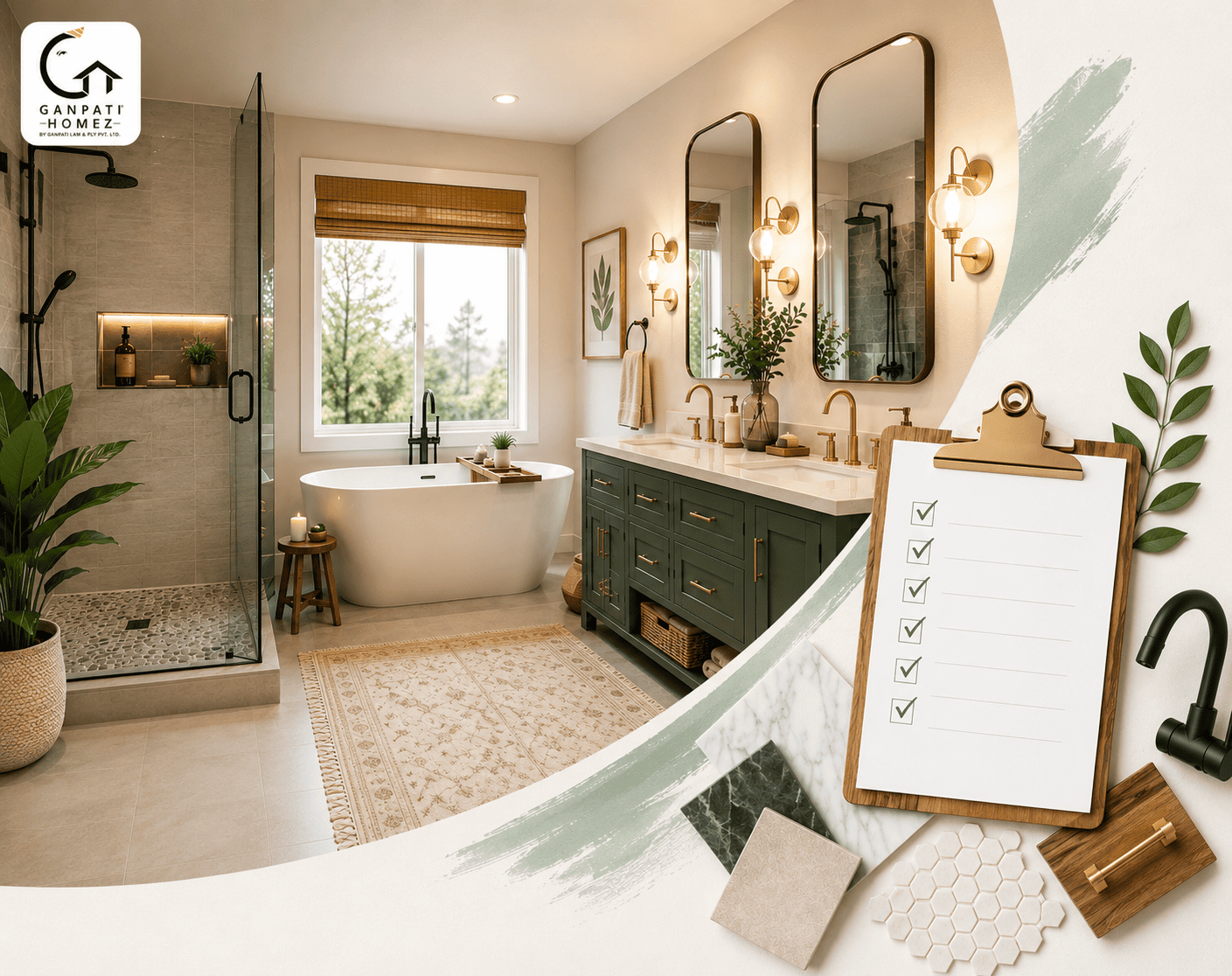
You can make your home more valuable by renovating your bathroom.Whether you are renovating an old bathroom in Bhubaneswar or building a new one from scratch, proper planning can save you from unnecessary expenses, delays, and common installation issues.
Many homeowners focus only on tiles and sanitaryware, but a successful Bathroom renovation involves much more. From plumbing and waterproofing to choosing the right WC, basin, and fittings, every stage needs careful attention.
This complete bathroom remodel guide will help you understand the correct renovation sequence, what materials to purchase beforehand, and the common bathroom renovation mistakes you should avoid.
According to Global Market Insights categorizes the bathroom remodeling market based on type into fixtures (toilets, sinks, bathtubs, showers), faucets and showerheads, cabinets and vanities, lighting, wall coverings, flooring, doors and windows. From 2026 to 2035, the fixtures market is expected to grow at a CAGR of 5.1%.
What Should You Plan Before Starting a Bathroom Renovation?
Before any demolition begins, take time to plan the following:
- Your overall budget
- Bathroom layout and available space
- Plumbing and drainage locations
- Choice of sanitaryware and fittings
- Ventilation and lighting requirements
- Storage needs
- Tile design and colour scheme
In cities like Bhubaneswar, where humidity levels remain high for much of the year, selecting quality waterproofing products and moisture-resistant materials is especially important.
Having a clear plan from the beginning helps control your bathroom renovation cost and prevents last-minute changes during construction.
What Is the Correct Order of a Bathroom Renovation?
Step 1: Demolish old fixtures and remove them
The renovation process begins by removing old sanitaryware, tiles, fittings, damaged plumbing lines, and any structures that are no longer required. This stage allows contractors to assess the actual condition of the bathroom before new work starts.
What to Check During Demolition
- Wall condition and structural damage
- Floor condition and levelling issues
- Hidden plumbing leaks
- Existing drainage slope and water flow
- Signs of dampness or water seepage
A proper demolition phase creates a clean and stable foundation for the entire bathroom renovation.
Step 2: Plumbing and Drainage Work
Once the bathroom has been stripped back, the next step is to complete all plumbing and drainage work before any tiling begins.
Plumbing Work Typically Includes
- Water supply line installation
- Drainage pipe installation
- Concealed flush tank connections
- Shower and mixer piping
- Wash basin connections
- WC inlet and outlet points
Always use high-quality CPVC, UPVC, or approved plumbing systems. Saving money on plumbing materials often leads to expensive repairs later.
Step 3: Electrical and Lighting Installation
After plumbing work is completed, electrical wiring can be installed safely without damaging finished surfaces.
Electrical Points to Plan
- Main lighting connections
- Mirror lighting
- Exhaust fan points
- Geyser wiring
The renovation process begins by removing old sanitaryware, tiles, fittings, damaged plumbing lines, and any structures that are no longer required. This stage allows contractors to assess the actual condition of the bathroom before new work starts.
Whenever you renovate a bathroom, waterproofing is one of the most crucial steps. Skipping this step or using poor-quality materials can result in future leakage issues.
Areas That Require Waterproofing
- Entire bathroom floor
- Shower area walls
- Wall-floor junctions
- Other wet zones exposed to water
Before Moving to the Next Stage
- Conduct a water-retention test to ensure there are no leaks. This simple check can prevent costly repairs in the future.
- Poor waterproofing remains one of the most common bathroom renovation mistakes in Indian homes.
Step 5: Wall and Floor Tiling
Once waterproofing has been approved, wall and floor tiles can be installed.
- Anti-skid tiles for flooring
- Easy-to-maintain wall tiles
- Proper slope towards floor drains
- Uniform tile alignment and grout spacing
For Indian Households
The renovation process begins by removing old sanitaryware, tiles, fittings, damaged plumbing lines, and any structures that are no longer required. This stage allows contractors to assess the actual condition of the bathroom before new work starts.
Practicality should always come before design trends. Safe, durable, and easy-to-clean tiles are usually the best long-term choice for family bathrooms.
Step 6: Ceiling Installation and Painting
After the tiling work is complete, the ceiling can be installed and finished.
Popular Bathroom Ceiling Options
- PVC Ceiling
- Moisture-Resistant Gypsum Ceiling
Finishing Touches: Use bathroom-grade paint specifically designed to resist humidity, mould growth, and peeling.
Step 7: Installing Sanitaryware and Bathroom Fixtures
This is the stage where the bathroom starts looking complete and functional.
Sanitaryware Installation
- WC (Toilet)
- Wash Basin
- Shower System
- Faucets and Mixers
- Health Faucet
- Mirror
- Towel Rod
- Soap Holder
- Robe Hook
- Storage Shelves
Before Installation
Double-check all product dimensions and plumbing points to ensure a perfect fit and avoid unnecessary modifications.
The renovation process begins by removing old sanitaryware, tiles, fittings, damaged plumbing lines, and any structures that are no longer required. This stage allows contractors to assess the actual condition of the bathroom before new work starts.
Step 8: Final Finishing and Inspection
The final stage focuses on testing, detailing, and ensuring everything is working properly before handover.
Final Checklist
- Silicone sealing around fixtures
- Installation of remaining accessories
- Water flow testing
- Leak inspection
- Flush testing
- Cleaning and polishing
Final Inspection
Carefully inspect every fitting, fixture, and connection to ensure there are no leaks, loose fittings, or finishing defects.
What Materials Should You Buy Before Bathroom Renovation Starts?
Purchasing essential materials in advance can prevent delays and price fluctuations.
1. Bathroom Tiles: Buy tiles after finalising the bathroom design.
Consider:
- Floor grip
- Water absorption rate
- Maintenance requirements
- Tile size suitable for your bathroom area
For smaller bathrooms common in urban apartments, larger-format tiles can help create a more spacious appearance.
2. Waterproofing Materials
Choose trusted waterproofing products from established brands. The renovation process begins by removing old sanitaryware, tiles, fittings, damaged plumbing lines, and any structures that are no longer required. This stage allows contractors to assess the actual condition of the bathroom before new work starts.
Required materials may include:
- Waterproofing chemicals
- Waterproof membranes
- Joint sealants
Quality waterproofing significantly improves durability.
3. Pipes and Plumbing Fittings
- Water supply pipes
- Drainage pipes
- Connectors
- Valves
- Traps
Avoid low-cost alternatives that may fail within a few years.
4. Electrical Fixtures and Wiring
Keep these ready before work starts:
- Electrical wires
- Switches
- Sockets
- Exhaust fans
- LED lights
Energy-efficient lighting can reduce long-term electricity consumption.
5. Adhesives, Grout and Sealants
Do not rely solely on traditional cement for tile installation.
Use:
- Tile adhesives
- Waterproof grout
- Silicone sealants
The renovation process begins by removing old sanitaryware, tiles, fittings, damaged plumbing lines, and any structures that are no longer required. This stage allows contractors to assess the actual condition of the bathroom before new work starts. These materials improve performance and longevity.
What Sanitaryware Items Do You Need for a Complete Bathroom Renovation?
A well-planned bathroom should combine functionality, comfort, and easy maintenance.
Essential sanitaryware includes:
Picking right sanitaryware for your home from reliable brands helps reduce maintenance costs over time.
Which Toilet Seat Is Best for Indian Homes?
The ideal toilet depends on user preference and available space.
Popular options include:
- Modern homes
- Elderly users
- Families seeking comfort
Indian Toilet
- Preferred in some households for traditional usage and lower water consumption.
- Today, western toilets remain the most common choice for urban bathroom renovations.
The renovation process begins by removing old sanitaryware, tiles, fittings, damaged plumbing lines, and any structures that are no longer required. This stage allows contractors to assess the actual condition of the bathroom before new work starts.
How Do You Choose the Right Wash Basin?
When selecting a wash basin, consider:
- Bathroom size
- Counter space
- Usage frequency
- Storage requirements
Popular options include:
- Wall-hung basins
- Table-top basins
- Pedestal basins
- Counter basins
For compact bathrooms, wall-hung designs often provide better space efficiency.
Should You Install a Wall-Hung or Floor-Mounted Water Closet?
Both options have advantages.
Advantages:
- Modern appearance
- Easier floor cleaning
- Space-saving design
Floor-Mounted Water Closet
Advantages:
- Simpler installation
- Lower maintenance concerns
- Suitable for most Indian homes
The renovation process begins by removing old sanitaryware, tiles, fittings, damaged plumbing lines, and any structures that are no longer required. This stage allows contractors to assess the actual condition of the bathroom before new work starts. For renovations involving concealed plumbing systems, wall-hung WCs are becoming increasingly popular.
What Type of Shower System Should You Buy?
Your choice depends on budget and lifestyle.
- Overhead showers
- Hand showers
- Rain showers
- Thermostatic shower systems
For premium bathrooms, a combination of overhead and hand shower systems provides the best user experience.
Which Bathroom Fittings Should You Buy Before Installation?
Bathroom fittings should be selected early because plumbing points often depend on them.
- Basin mixers
- Pillar taps
- Shower mixers
- Angle valves
- Health faucets
- Bib taps
Choose corrosion-resistant finishes that perform well in humid conditions.
Chrome remains the most popular finish due to its durability and easy maintenance.
What Bathroom Accessories Are Worth Buying?
The renovation process begins by removing old sanitaryware, tiles, fittings, damaged plumbing lines, and any structures that are no longer required. This stage allows contractors to assess the actual condition of the bathroom before new work starts.
- Towel ring
- Towel rod
- Soap dispenser
- Robe hook
- Corner shelf
- Toilet paper holder
- Toothbrush holder
Select accessories that match your sanitaryware and fitting finishes for a cohesive look.
How Do You Choose the Right Bathroom Tiles?
Tiles influence both aesthetics and functionality
When choosing tiles:
- Prioritise Safety: Use anti-skid floor tiles, especially in family bathrooms.
- Consider Maintenance: Glossy wall tiles are generally easier to clean.
- Match the Space: Light colours often make smaller bathrooms appear larger.
- Check Quality: Look for durability, water resistance, and stain resistance rather than focusing only on design.
What Are the Most Common Bathroom Renovation Mistakes to Avoid?
Many homeowners exceed their budget or face maintenance issues because of avoidable mistakes.
Common bathroom renovation mistakes include:
- Skipping waterproofing tests
- Choosing tiles based only on appearance
- Ignoring ventilation requirements
- Purchasing sanitaryware after plumbing work begins
- Using low-quality plumbing materials
- Poor drainage slope planning
- Inadequate lighting
- Not setting a realistic budget
Avoiding these mistakes can help reduce future repair costs and improve the lifespan of your bathroom.
The renovation process begins by removing old sanitaryware, tiles, fittings, damaged plumbing lines, and any structures that are no longer required. This stage allows contractors to assess the actual condition of the bathroom before new work starts.
Everything You Need for Your Bathroom, Under One Roof
A successful bathroom renovation starts with proper planning, quality materials, and the right installation sequence. By following this bathroom remodel checklist, you can avoid common mistakes, stay within budget, and create a bathroom that looks great and performs well for years.
Planning a bathroom renovation? Visit Ganpati Homez in Laxmisagar, one of the leading sanitaryware providers in Bhubaneswar, for a wide selection of quality sanitaryware, bathroom fittings, faucets, showers, and accessories to suit every style and budget.