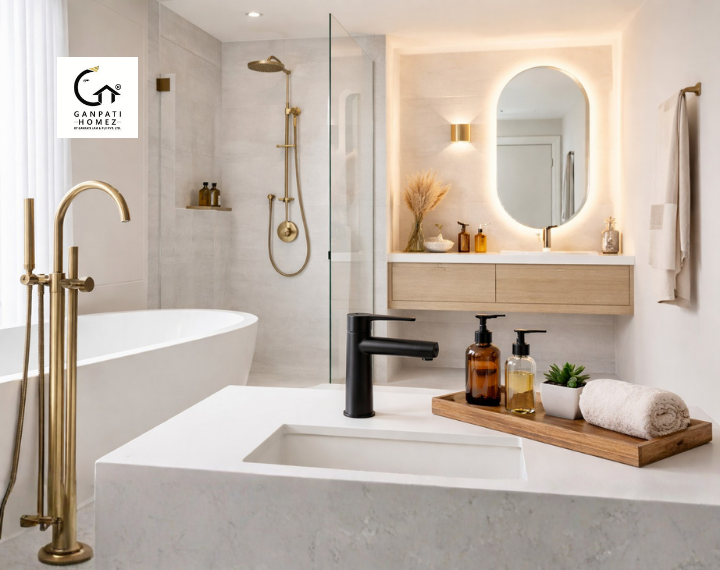
You start your bathroom renovation feeling excited. You’ve seen beautiful modern bathroom fittings design ideas online and imagine how great your space will look.
But once you begin choosing the actual fittings taps, showers, bathroom accessories, finishes, materials things quickly get confusing. Which type is better? What lasts longer? What works best for Indian homes?
A report by Mordorintelligence estimates that the Bath Fitting Market in India will reach USD 11.49 billion by 2025, and USD 16.67 billion by 2030, at a CAGR of 7.74% during the forecast period (2025-2030).
If you’re feeling overwhelmed, you’re not alone. This guide will help you understand the different types of bathroom fittings, how to choose them wisely, and what truly suits your space and budget so you can decide with confidence.
What Are Bathroom Fittings?
Bathroom fittings are the essential working components that make your bathroom functional and comfortable. These include taps, showers, mixers, health faucets, angle valves, towel rods, soap holders, and other bathroom accessories used every day.
Unlike fixtures such as the toilet or wash basin, fittings are the parts attached to them that control water flow and improve usability. A well-made tap ensures smooth operation, a good shower provides consistent pressure, and the right accessories keep the space organised.
The quality and design of bathroom fittings directly impact durability, hygiene, and overall appearance. Choosing the right ones not only improves daily convenience but also enhances the look and long-term performance of your bathroom.
While fixtures and fittings often get grouped together, the real difference lies in their role in everyday use and design.
Fixtures like your
wash basin, toilet, bathtub, or sink form the backbone of your bathroom. They define the layout, space, and plumbing requirements. For example, the size of your bathtub or the type of toilet determines how much room you have and what kind of fittings you can pair with them.
Fittings such as taps, showers, angle valves, and towel racks are what bring those fixtures to life. They control water flow, ensure hygiene, and add style. A sleek tap or a rainfall shower doesn’t just function well; it elevates the entire look and feel of your bathroom.
In essence, fixtures set the stage, and fittings complete the experience. Choosing the right combination affects comfort, efficiency, and the long-term maintenance of your bathroom.
List of Different Types of Bathroom Fittings
Choosing the right bathroom fittings can be overwhelming, especially with so many options available. To make it easier, here’s a clear bathroom fittings list with names to guide your selection. This will help you plan better and avoid last-minute confusion.
1. Taps & Faucets: Taps control water flow and temperature, and they come in various styles to suit different bathroom designs:
- Basin mixer tap: Combines hot and cold water for easy control.
- Pillar cock: Simple, classic tap for smaller spaces.
- Wall mixer: Mounted on the wall, perfect for modern, minimalist bathrooms.
- Sensor tap: Touchless, hygienic, and water-saving.
- Angle valve: Regulates water supply to specific fixtures.
2. Shower Fittings: Shower fittings determine your bathing experience and functionality:
- Overhead shower: For a rainfall-like, relaxing shower.
- Hand shower: Flexible and convenient for targeted cleaning.
- Shower arm: Connects the showerhead to the water supply.
- Shower panel: Multi-functional system with jets and controls.
- Diverter: Switches water flow between taps and showers.
3. Health Faucets: Essential for hygiene, especially in Indian homes:
- Hand-held bidet spray: Easy to use for personal cleaning.
- Jet spray: Compact and efficient for targeted cleaning.
4. Bathroom Accessories: Accessories keep your bathroom organised and add style:
- Towel rod & ring: Keep towels within reach.
- Robe hook: Convenient for robes or clothes.
- Soap dish & tissue holder: Maintain cleanliness and organisation.
- Shelf & toothbrush holder: Adds storage and keeps essentials handy.
5. Drainage Fittings: Proper drainage ensures a clean, hygienic bathroom:
- Floor drain: Prevents water accumulation and directs flow.
- Waste coupling: Connects sinks, tubs, and basins to the drainage system.
Having a well-planned list of bathroom fittings not only makes your shopping easier but also ensures your bathroom is functional, stylish, and durable.
What Are the Main Types of Bathroom Taps and Faucets?
Taps and faucets are essential bathroom fittings; they control water flow, ensure hygiene, and define your bathroom’s style. Choosing the right type affects both functionality and the overall look of the space.
Here are the main types and their differences:
- Pillar Tap (Tap): A traditional tap with separate hot and cold outlets, ideal for smaller bathrooms or washbasins. Pillar taps are simple, durable, and easy to maintain.
- Mixer Tap (Faucet): A mixer faucet combines hot and cold water through a single spout, allowing you to control temperature easily. Perfect for modern bathrooms, it provides both convenience and a sleek appearance.
- Wall-Mounted Tap (Tap/Faucet): Mounted directly on the wall above the basin or bathtub, these can be either a simple tap or a mixer faucet. They save counter space and give a contemporary, minimalist look.
- Sensor Faucet (Faucet): Touchless and hygienic, sensor faucets automatically control water flow, reducing wastage. Ideal for high-traffic bathrooms or homes prioritising convenience and hygiene.
- Concealed Faucet (Faucet): Installed inside the wall, only the spout and handles are visible. Concealed faucets offer a seamless, elegant appearance and are often paired with modern bathroom fittings designs.
Choosing the right combination depends on your bathroom size, water pressure, and design preference. While traditional taps suit basic setups, mixer, sensor, and concealed faucets are ideal for a modern, stylish bathroom.
What Are the Different Types of Shower Fittings?
Shower fittings play a big role in your daily bathroom experience. The right setup not only ensures comfort and convenience but also elevates the overall design of your space. Here’s a breakdown of the most common types of shower fittings:
- Overhead Shower: Also called a rain shower, this fitting delivers water from above, giving a spa-like experience. It’s perfect for relaxing showers and works well in both small and large bathrooms.
- Hand Shower: A flexible, detachable showerhead that allows targeted cleaning. Hand showers are practical for families, elderly users, or when cleaning the bathroom itself.
- Shower Arm: The shower arm connects the showerhead to the water supply and can adjust the height and angle. It’s a small but essential fitting that ensures the shower works properly.
- Shower Panel: A multi-functional system combining overhead and hand showers, body jets, and controls in one unit. Shower panels are ideal for modern bathroom fittings design, offering style and versatility.
- Diverter: A diverter is a valve that controls water flow between different outlets, such as a bathtub spout and showerhead. It adds convenience and flexibility to your bathing experience.
- Concealed Shower Fittings: These are installed inside the wall, leaving only the handles and showerhead visible. Concealed systems give a clean, minimal look and are popular in contemporary bathrooms.
Tip: Combining an overhead shower with a hand shower gives the best balance of style, functionality, and practicality perfect for Indian homes with varied bathing needs.
What Are Bathroom Accessories and Why Are They Important?
Bathroom accessories might seem like small, optional items, but they make a huge difference in both functionality and style. From keeping your space organised to improve hygiene, the right accessories complete your bathroom setup.
Common Bathroom Accessories
Some essential accessories include:
- Towel rods and rings: Keep towels within reach and prevent clutter.
- Robe hooks: Convenient for robes, clothes, or bags.
- Soap dishes and dispensers: Keep soap dry and organised, reducing mess.
- Tissue holders: Ensure tissues are accessible and protected from moisture.
- Shelves: Extra storage for toiletries, keeping counters clean.
- Toothbrush holders: Hygienic storage that keeps essentials in place.
Why They Matter
- Organisation: Accessories provide dedicated spots for everyday items, reducing clutter.
- Hygiene: Proper holders prevent water accumulation and keep items dry and clean.
- Safety: Items like towel rods and hooks help prevent slipping or dropping things.
- Style: Coordinated accessories enhance the overall look, complementing taps, showers, and other fittings.
These bathroom accessories are small fittings with a big impact. They may seem minor, but they improve convenience, maintain cleanliness, and give your bathroom a polished, cohesive appearance.
How to Choose the Best Bathroom Fittings for Your Home
Selecting the right bathroom fittings goes beyond just picking what looks good. The right choices can improve daily convenience, reduce maintenance issues, and even save water and energy. Here’s a detailed guide to help you make informed decisions:
1. Consider Water Pressure and Flow: Not all taps and showers perform the same. High-end mixers or rain showers may need strong water pressure to deliver a comfortable experience. Low-pressure areas may benefit more from hand showers or aerated taps that maintain flow without wasting water.
2. Check Water Quality: Hard water can cause limescale and damage fittings over time. Look for fittings with anti-corrosion coatings, brass or stainless steel construction, and smooth finishes that resist scaling. This reduces maintenance and prolongs lifespan.
3. Think About Durability: Investing in durable fittings saves money in the long run. Brass and stainless steel are ideal for Indian conditions. Avoid plastic components in taps or showers, as they can crack or discolor with frequent use.
4. Functionality for Your Household:
- Families with children or elderly members may benefit from hand showers, thermostatic faucets, or anti-scald taps.
- For shared bathrooms, sensor taps reduce water wastage and maintain hygiene.
- Accessories like towel rods, soap dishes, and shelves should be placed for convenience and safety.
5. Style and Finish: Your fittings define the visual tone of your bathroom. Popular modern finishes include matte black, brushed brass, and chrome. Try to coordinate finishes across taps, showers, and accessories for a cohesive look.
6. Space and Layout Planning:
- Small bathrooms: Wall-mounted taps, compact showers, and vertical storage accessories save space.
- Medium bathrooms: Standard mixer taps and overhead showers with some accessories work well.
- Luxury bathrooms: Concealed faucets, shower panels, and premium accessories create a modern, spa-like feel.
7. Water and Energy Efficiency: Many modern taps and showers come with eco-friendly features such as flow restrictors and aerators. These reduce water consumption without compromising performance, lowering your bills and environmental impact.
8. Warranty and Brand Support: Choose trusted brands that offer long-term warranty and easy availability of spare parts. A premium brand may cost more upfront, but it reduces the risk of leaks, corrosion, and repeated replacements.
9. Plan for the Future: Think about your long-term needs. If you’re renovating for resale, modern, durable, and aesthetically pleasing fittings can add value. If it’s for personal use, focus on comfort, ease of maintenance, and hygiene.
Pro Tip: Make a checklist of fixtures, taps, showers, and accessories you need. Note water pressure, space, and style preferences. This ensures you choose fittings that are practical, stylish, and built to last.
When it comes to choosing the perfect bathroom fittings, we at Ganpati Homez, Laxmi Sagar, are here to make it easy. As one of the
best sanitary ware showrooms in Bhubaneswar, we offer a wide range of taps, showers, bathroom accessories, and all types of sanitary products.
Our experienced team will help you select fittings that match your style, space, and budget. Visit us today and transform your bathroom with quality and style!
Which Material Is Best for Bathroom Fittings?
The material of your bathroom fittings affects durability, maintenance, and overall performance. Choosing the right one ensures your taps, showers, and accessories last longer and stay stylish.
1. Brass
- Pros: Highly durable, corrosion-resistant, handles hard water well.
- Best for: Taps, mixers, showerheads.
- Note: Slightly costlier but worth the long-term investment.
2. Stainless Steel
- Pros: Strong, affordable, easy to clean.
- Best for: Hand showers, towel rods, shelves.
- Note: May show watermarks and be less resistant to scaling in very hard water.
3. Chrome-Plated Fittings
- Pros: Sleek finish, rust-resistant, easy to maintain.
- Best for: Modern taps, faucets, and showers.
- Note: Quality plating is key, cheap plating may peel over time.
4. Plastic
- Pros: Lightweight and inexpensive.
- Cons: Prone to cracking, short lifespan, not ideal for main fittings.
Tip: For Indian homes, brass or stainless steel with high-quality plating is ideal for taps, showers, and mixers, while accessories can be stainless steel or chrome. Avoid plastic for essential fittings to ensure long-term performance.
What Are the Latest Trends in Modern Bathroom Fittings?
Modern bathroom fittings are no longer just functional they combine style, technology, and efficiency. Whether you’re renovating or building a new bathroom, these trends can help create a space that looks luxurious while staying practical.
1. Matte Black and Bold Finishes: Matte black, brushed brass, and rose gold taps and accessories are replacing traditional chrome. These finishes add a contemporary, high-end look and are easier to maintain as they show fewer watermarks.
2. Concealed and Wall-Mounted Fittings: Concealed faucets, wall-mounted taps, and hidden shower systems create a clean, minimalist appearance. They also free up space around basins and counters.
3. Rainfall and Multi-Functional Showers: Overhead rainfall showers, often combined with hand showers and body jets in a shower panel, are trending for their spa-like experience.
4. Sensor and Touchless Faucets: Touchless faucets improve hygiene and reduce water wastage, making them ideal for modern homes and high-traffic bathrooms.
5. Smart and Eco-Friendly Features
Water-saving taps and aerated showers reduce water consumption without compromising performance.
Thermostatic faucets maintain a consistent temperature for safe and comfortable showers.
Some modern fittings integrate smart controls, timers, and even LED temperature indicators.
6. Coordinated Accessories: From towel rods to soap dishes, matching accessories in similar finishes add cohesion to the overall bathroom design.
When planning a modern bathroom, focus on durable materials, functional design, and coordinated aesthetics. Combining style with smart, efficient fittings ensures a bathroom that looks great and works perfectly for years.
FAQs About Bathroom Fittings
1. Which bathroom fittings are best for Indian homes?
For Indian conditions, brass or stainless steel fittings with good anti-corrosion finishes work best. Mixer faucets, hand showers, and overhead showers are practical choices for families. Accessories like towel rods, soap holders, and shelves add convenience and help keep the bathroom organised.
2. How long do bathroom fittings last?
High-quality fittings made of brass or stainless steel can last 10–15 years or more with proper maintenance. Chrome-plated or well-finished accessories also have good longevity, while plastic fittings tend to wear out faster.
3. Are expensive bathroom fittings worth it?
Premium fittings often come with better durability, water efficiency, and design options. While cheaper options may save money initially, investing in good-quality taps, showers, and accessories reduces repairs and replacements over time.
4. What should I consider when selecting bathroom fittings?
When choosing bathroom fittings, focus on durability, functionality, and style rather than just price. Good-quality fittings provide long-term value, perform reliably, and complement your bathroom design. Opt for materials like brass or stainless steel, and choose designs that suit your space, water conditions, and daily usage.
5. How can I maintain my bathroom fittings?
- Wipe regularly to prevent limescale and watermarks.
- Use soft cloths and non-abrasive cleaners.
- Check for leaks or loose fittings periodically.
- Avoid harsh chemicals that may damage plating or finishes.