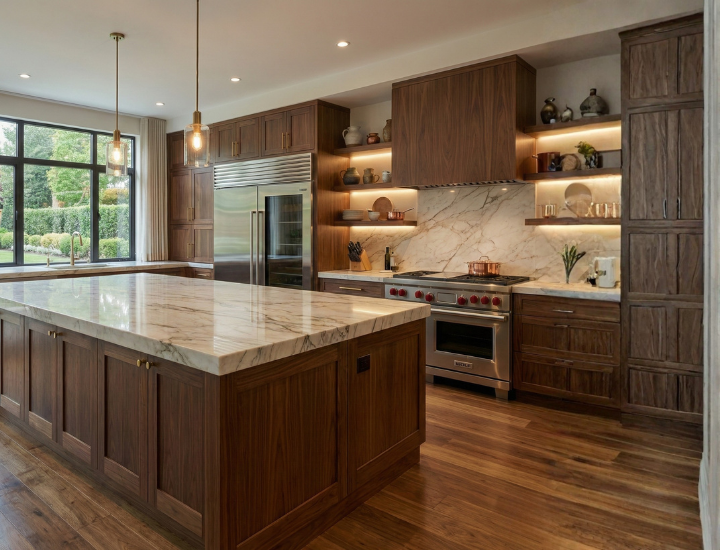
Plywood has long been one of the most trusted materials in interior design and furniture making. Its strength, versatility, and ability to adapt to different applications make it a preferred choice for homes, offices, and commercial spaces alike. From wardrobes and cabinets to partitions and wall panelling, plywood forms the backbone of many everyday interiors.
However, not all plywood is made for the same conditions. Factors like humidity, moisture, and long-term exposure to water play a major role in how well it performs over time. This is where BWR plywood stands out. Known for its moisture-resistant properties, it is designed to deliver durability and stability in areas where regular plywood may fall short. In this guide, we’ll walk through what BWR plywood is, its key uses, benefits, and how to choose the right quality for your space.
BWR plywood, short for Boiling Water Resistant plywood, is specially designed to handle moisture-prone environments. It is made by bonding selected hardwood veneers with phenol formaldehyde resin, a strong adhesive that helps the layers stay firmly intact even when exposed to moisture.
Compared to ordinary boards, this type of water-resistant plywood performs far better in humid conditions and can tolerate occasional contact with water without peeling or separating. It is often referred to as waterproof plywood, but in practical terms, BWR plywood is built to resist moisture not to remain underwater for extended periods.
For everyday residential and commercial interiors, especially in kitchens, wardrobes, and utility areas, it delivers reliable performance in wet and semi-wet conditions.
BWR plywood is designed to deliver reliable performance in interiors where strength and moisture resistance are equally important. Its features go beyond basic durability, making it a trusted material for long-term use.
Boiling Water Resistant Bonding: Manufactured using phenol formaldehyde resin, BWR plywood maintains strong internal bonding even when exposed to moisture, reducing the risk of layer separation.
High Moisture and Humidity Resistance: It performs well in humid and semi-wet environments such as kitchens, bathrooms, and utility areas, where ordinary plywood may fail.
Strong Core Construction: The core is made with closely packed hardwood veneers, offering uniform strength and minimising internal gaps that can weaken the sheet.
Excellent Load-Bearing Capacity: BWR plywood can support heavier loads, making it suitable for cabinets, wardrobes, and storage furniture that see daily use.
Resistance to Warping and Swelling: Changes in temperature and humidity have minimal impact on its shape, helping furniture maintain proper alignment over time.
Low Risk of Delamination: The superior bonding process ensures the layers remain intact, even after prolonged exposure to moisture.
Smooth and Even Surface Finish: Its uniform surface makes it ideal for laminates, veneers, acrylic finishes, and paints, enhancing the overall look of the furniture.
Good Screw and Fastener Holding Strength: Hinges, channels, and fittings stay secure, reducing loosening and maintenance issues in high-use furniture.
Compatibility with Termite Treatments: BWR plywood works well with chemical treatments, adding an extra layer of protection against pests when properly treated.
Long-Term Dimensional Stability: Doors, shutters, and drawers made with BWR plywood continue to function smoothly, even after years of use.
Suitable for Multiple Interior Applications: From modular kitchens to wardrobes and partitions, it adapts easily to a wide range of interior needs.
Lower Total Cost Over Time: Even with a slightly higher upfront cost, reduced repairs and replacements make it more economical in the long run.
Together, these features make BWR plywood a dependable choice for interiors where durability, finish quality, and moisture resistance are essential.
BWR plywood is widely used in modern homes because it performs well in spaces where moisture and daily wear are unavoidable. Its strength and water-resistant properties make it suitable for both functional and decorative interior applications.
Some of the most common uses of BWR plywood in residential spaces include:
Kitchen cabinets, shutters, and drawers, where exposure to steam, spills, and heat is frequent
Bathroom vanities and storage units, which require moisture-resistant materials to maintain durability
Wardrobes and bedroom storage, particularly in homes with limited ventilation or high humidity
Utility rooms, laundry areas, and wash zones, where occasional water contact is expected
Window frames, wall panelling, and interior partitions exposed to damp conditions
For homeowners looking to reduce frequent repairs and furniture replacement, BWR plywood offers a practical solution. Its ability to handle moisture while maintaining structural stability makes it a dependable choice for long-lasting interiors.
Not all BWR plywood offers the same level of performance, even if it looks similar at first glance. Quality depends on how the plywood is made, not just what it’s called. Paying attention to a few key details can help you make a confident choice.
Look for ISI Certification: Always check for ISI marking as per IS:303 (Type BWR), which confirms the plywood meets standard requirements for moisture resistance.
Check the Core from the Edges: Examine the exposed edge of the sheet. A good-quality board will have a compact core with minimal gaps or overlaps.
Ensure Uniform Thickness: Consistent thickness across the sheet indicates proper manufacturing and helps avoid fitting issues during installation.
Confirm the Adhesive Used: BWR plywood should be bonded with phenol formaldehyde resin, which plays a key role in its water-resistant performance.
Choose Trusted and Established Brands: Reputed manufacturers follow stricter quality control processes, ensuring consistent performance across batches.
Taking a few minutes to inspect the plywood at the time of purchase can help you avoid premature damage, repairs, or replacements later on.
BWR plywood is designed to handle moisture, but its performance depends greatly on how it is used and installed. Avoiding a few common mistakes can help you get the best out of it.
Treating BWR plywood as fully waterproof: It is moisture-resistant, not meant for constant outdoor exposure or prolonged contact with water.
Skipping edge sealing during installation: Unsealed edges can allow moisture to seep in, reducing the lifespan of the plywood.
Using poor-quality laminates or finishes: Low-grade surface materials can trap moisture, leading to peeling or surface damage over time.
Overlooking ventilation in damp areas: Even moisture-resistant materials need proper airflow, especially in kitchens and bathrooms.
By avoiding these errors, BWR plywood can perform reliably and maintain its structure for many years.
BWR plywood is built for durability, but like any quality material, its performance improves with the right care. Simple, consistent practices can help preserve its strength, finish, and appearance for many years.
Clean Spills Without Delay: Water or liquid spills should be wiped off immediately, especially in kitchens, utility areas, and near sinks, to prevent prolonged surface exposure.
Maintain Proper Ventilation: Use exhaust fans, chimneys, or natural airflow in moisture-prone rooms. Good ventilation reduces humidity build-up, which supports the long-term stability of water-resistant plywood.
Seal Edges and Cut Surfaces: During installation, repairs, or modifications, ensure that exposed edges are sealed properly. This prevents moisture from entering the core of the plywood.
Avoid Continuous Direct Water Contact: While BWR plywood handles moisture well, constant contact with standing water particularly at joints and corners should be avoided.
Use Quality Surface Finishes: High-grade laminates, veneers, or coatings act as an additional protective layer and help the plywood perform better over time.
Inspect High-Use Areas Periodically: Check cabinets, shutters, and storage units for signs of wear, loose fittings, or seal damage, and address small issues early.
Ensure Proper Installation Practices: Correct spacing, alignment, and fastening during installation reduce stress on the plywood and help maintain its shape and performance.
Avoid Harsh Cleaning Chemicals: Mild cleaners are sufficient for regular cleaning. Strong chemicals can damage surface finishes and reduce protective layers.
With basic care and mindful usage, BWR plywood can significantly outlast standard plywood, making it a dependable choice for long-lasting, well-maintained interiors.
If your home deals with humidity or occasional water exposure, BWR plywood is a smart choice. It’s strong, durable, and keeps your furniture looking good for years.
At Ganpati Homez, the best plywood shop in Bhubaneswar, we offer high-quality BWR plywood from trusted brands. Whether it’s for kitchens, wardrobes, or cabinets, we help you pick the right plywood for long-lasting, hassle-free interiors.
Invest in BWR plywood today and enjoy furniture that stands the test of time.